

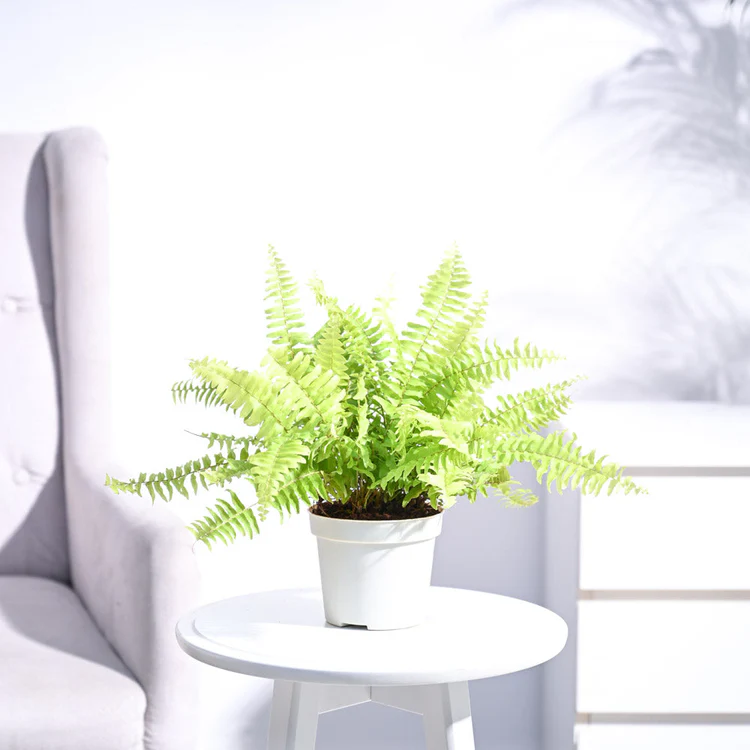
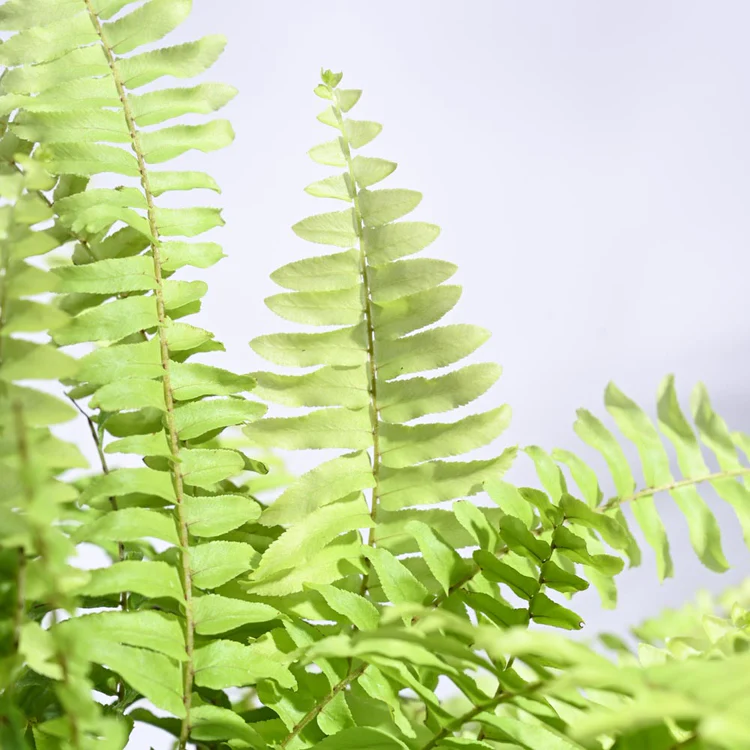
The Golden Fern (Nephrolepis exaltata ‘Golden’) is a stunning and unique variety of the Boston Fern, known for its vibrant golden-yellow fronds. It’s a beautiful, low-maintenance plant that adds a touch of elegance to any indoor space. Here’s a comprehensive care guide for your Golden Fern plant:
1. Light Requirements
- Bright, Indirect Light: Golden Ferns prefer bright but indirect light. Too much direct sunlight can burn the delicate fronds, leading to brown tips or yellowing. Place it near a window where it gets filtered sunlight, such as near a sheer curtain.
- Low to Moderate Light: While they prefer bright light, they can tolerate lower light conditions but may not grow as vigorously. Avoid dark spots as the plant might become leggy over time.
2. Watering
- Keep the Soil Moist: Golden Ferns prefer consistently moist soil, but it should not be soggy. Water when the top inch of soil feels dry to the touch. During the warmer months, they might need water every few days, but in cooler months, the frequency may decrease.
- Proper Drainage: Ensure the pot has good drainage to avoid waterlogging, which can lead to root rot. If your pot doesn’t have drainage holes, be cautious about watering too much.
- Humidity Needs: Ferns love humidity! To keep your Golden Fern healthy, mist the leaves regularly or place it on a humidity tray (a shallow tray filled with pebbles and water). Alternatively, you can use a humidifier to maintain the humidity level between 50-60%.
3. Temperature
- Ideal Temperature: Golden Ferns prefer moderate temperatures between 60-75°F (15-24°C). They do not like temperature fluctuations or sudden drafts, so keep them away from cold windows, heating vents, or air conditioning units.
- Avoid Cold Drafts: Protect the fern from temperatures below 50°F (10°C), as they are sensitive to the cold and can suffer damage.
4. Soil and Potting
- Well-Draining, Moist Soil: Use a lightweight, well-draining potting mix. A mix designed for ferns or a general-purpose potting mix with added perlite or sand will work well.
- Repotting: Golden Ferns don’t need frequent repotting, but you may want to do it every 1-2 years if the plant becomes root-bound. Choose a pot that’s 1-2 inches larger than the current one and ensure it has drainage holes.
5. Fertilizing
- During Growing Season: Feed your Golden Fern with a diluted, balanced liquid fertilizer (such as 10-10-10) every 4-6 weeks during the spring and summer months when the plant is actively growing.
- Reduce in Fall/Winter: During the fall and winter months, reduce fertilization or stop it completely, as the fern is in a dormant phase and not actively growing.
6. Pruning and Cleaning
- Regular Trimming: Prune any dead or damaged fronds regularly to keep your plant looking tidy and healthy. You can cut the fronds back to the base of the stem to promote new growth.
- Leaf Cleaning: Dust can accumulate on the delicate leaves, which can interfere with the plant’s ability to photosynthesize. Wipe the leaves gently with a damp cloth or use a spray bottle to mist the fronds.
7. Pests
- Common Pests: Golden Ferns can be susceptible to pests like aphids, scale, and spider mites. Regularly check the undersides of leaves for signs of pests.
- Treatment for Pests: If you find pests, treat the plant with a mild insecticidal soap or neem oil. Make sure to follow the instructions on the product, and always test a small area first to ensure it won’t harm the plant.
8. Problems and Solutions
- Yellowing Fronds: This is often a sign of underwatering, low humidity, or a plant that’s receiving too much direct sunlight. Ensure the fern is in a spot with bright, indirect light, and increase humidity levels if necessary.
- Brown Tips: Brown tips are commonly caused by dry air, inconsistent watering, or root rot. Make sure the soil is evenly moist, and the humidity is high enough. Trim the brown tips with clean scissors if they appear.
- Leggy Growth: If the fern is not getting enough light, it may become leggy with long stems and sparse leaves. Try moving it to a brighter location with indirect light.
9. Propagation
Golden Ferns can be propagated through division:
- Division Method: Carefully remove the plant from its pot and separate the root ball into smaller sections, ensuring each division has a healthy root system and fronds.
- Repot the Divisions: Plant each division into a separate pot with fresh potting mix and water thoroughly. Place them in a warm, humid environment to help them establish.
Alternatively, you can propagate by spore (although it’s more challenging):
- Spore Collection: Golden Ferns produce spores on the undersides of the fronds. You can collect the spores and attempt to grow them, but this method requires patience and a controlled environment with consistent humidity and warmth.
10. Toxicity
- Non-Toxic to Pets: Golden Ferns are considered non-toxic to pets like cats and dogs, making them a safe choice for homes with furry friends.
11. Decorative Tips
Golden Ferns are great for adding a pop of color and texture to any room. They can be placed in hanging baskets, on shelves, or as a floor plant. Their graceful, arching fronds add a lush, tropical feel to your home décor.

Reviews
There are no reviews yet.